
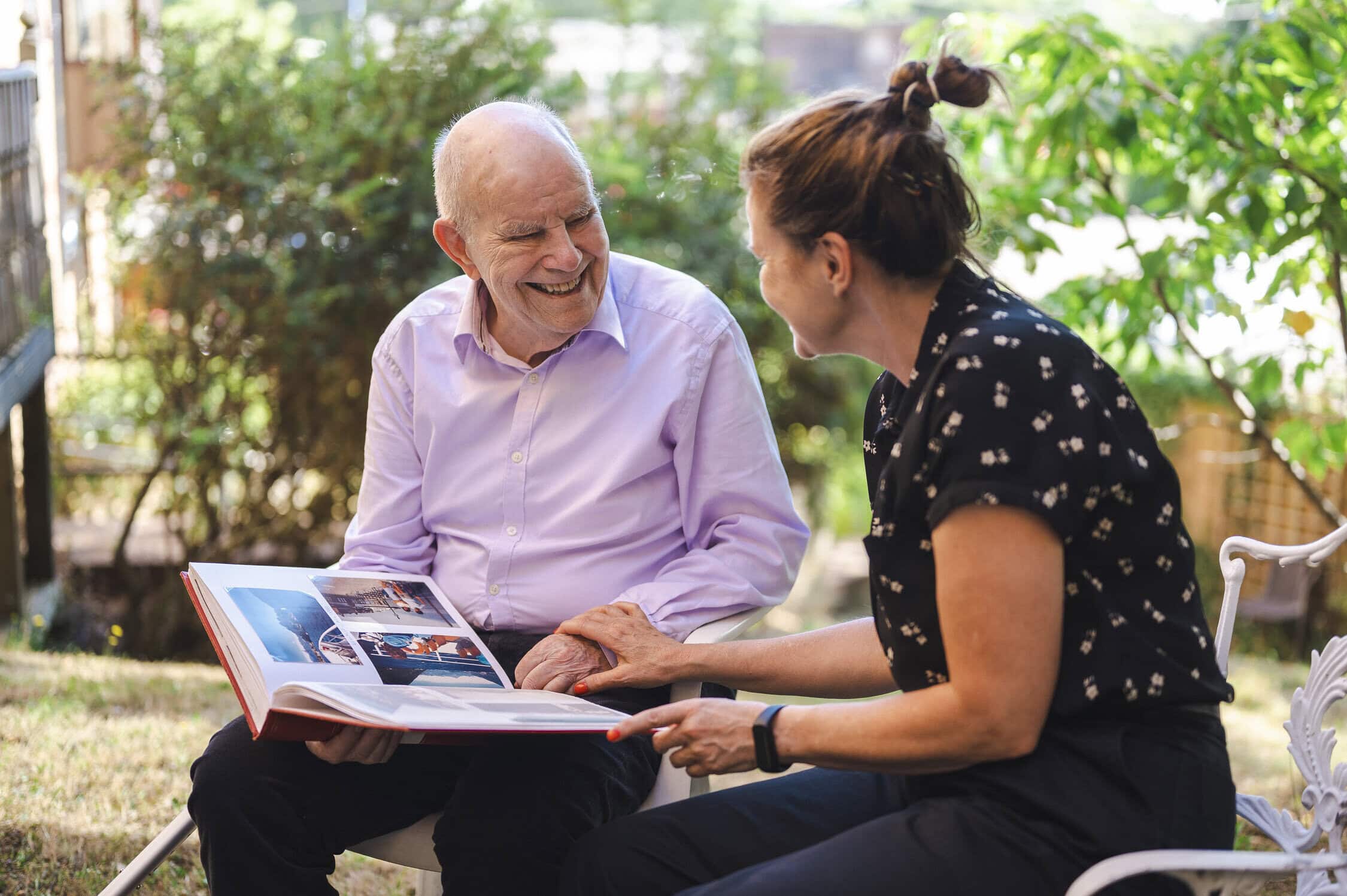
Befriending Networks announces Dementia-Aware Volunteering programme to support the third sector in Scotland
21st April 2026
The 12-month programme will provide free dementia and social connection training and resources for staff, volunteers and carers across Scotland.
We have launched Connected Lives: Dementia‑Aware Volunteering, a new project equipping the third sector with the information they need to create and sustain social connections for people living with dementia and their carers.
Chronic loneliness increases the risk of dementia by 42%[1]. Activities such as befriending can improve health outcomes, reduce dementia risk, and support people with dementia to be more active and connected. But staff and volunteers need the skills and knowledge to support their service users when they develop dementia.
Befriending Networks has over 30 years of experience supporting the third sector in Scotland through training, resources and 1:1 support. Over the next 12 months, we will deliver the Good Practice in Dementia and Social Connection accredited training programme to hundreds of Scottish volunteer-involving organisations.
Our CEO, Susan Hunter, said:

“We know that staying socially connected is not just important for our wellbeing, it plays a vital role in protecting brain health and reducing the risk of dementia. Research shows that long-term feelings of loneliness and social isolation are linked to a higher risk of cognitive decline, while meaningful relationships, shared activities and volunteering can help keep our brains active and resilient. Volunteers in communities across Scotland are already making a huge difference by offering time, compassion and connection. By supporting them with the right knowledge and skills, we can strengthen these protective connections and ensure more people living with dementia, and those around them, remain connected, valued and part of their communities.”

Victoria Galloway, our Learning and Development Manager, said:
“Too often, staff and volunteers feel isolated, under-resourced, or unsure whether they’re ‘doing it right’. This course exists to change that and has continued to evolve in recent years, reflecting developments in research and practice.
“Launching the Connected Lives programme means better-supported staff and volunteers, stronger befriending services, and, ultimately, more meaningful, respectful relationships for people living with dementia.”
The programme will be offered free of charge to any community organisation working with volunteers and carers who might support people living with dementia. It will be delivered both online and in-person in 20 locations across Scotland. The programme intends to reach a broad range of volunteer-involving organisations, including those who are not yet ready to support people living with dementia and their carers.
The Connected Lives programme will enable staff to feel confident leading dementia-inclusive activities, events or services and ensure volunteers are well-equipped to build meaningful, supportive relationships with people living with dementia and their carers.
A free e-learning course for volunteers and carers will also be available, offering education, practical guidance and confidence-building advice in a more flexible format.
The programme will enable many more organisations to deliver dementia-inclusive services and for volunteers to offer safe, meaningful one-to-one and group activities, allowing more people with dementia to access support and social connections.
Sign up for project updates and event notifications on our Connected Lives page.
Connected Lives is funded by the Scottish Government’s Dementia Resilient Communities Fund. The project contributes to the Scottish Government’s dementia strategy, which prioritises the development of a skilled and knowledgeable workforce with access to the highest-quality dementia education and training.
1. The statistic that chronic loneliness increases the risk of dementia by 42% is based on a large 2025 academic study that followed more than 16,000 adults in the UK and the USA over ten years. Researchers found that people who experienced severe, long‑term loneliness had a significantly higher risk of cognitive decline and dementia compared with those who were not lonely. The study drew on data from the English Longitudinal Study of Ageing and the US Health and Retirement Study and was published in the peer‑reviewed Journal of Affective Disorders (Ren et al., 2025)