
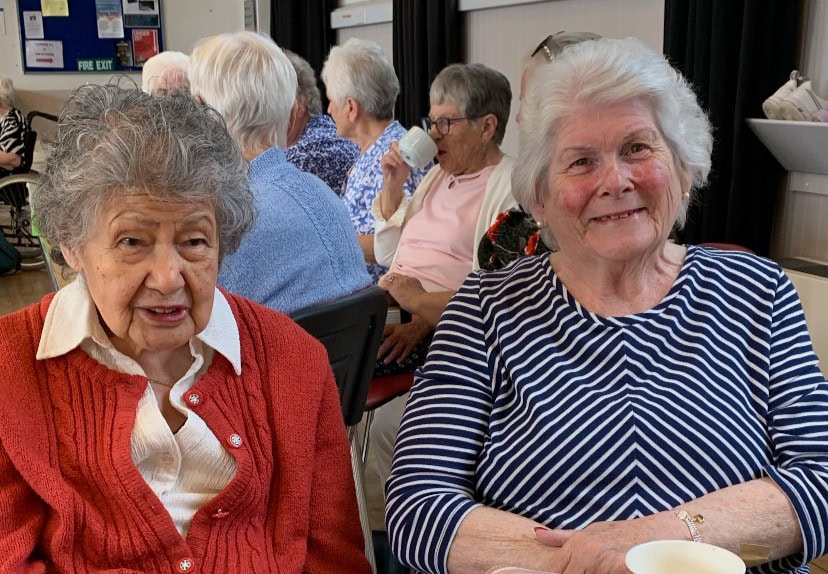
More than company: celebrating the strength and impact of befriending
2nd November 2026

Our CEO, Susan Hunter, shares a Befriending Week message and unpacks why befriending is not an optional extra, but a vital preventative, community-based response.
During Befriending Week, I want us all to celebrate something both simple and profound: the difference one purposeful, trusted relationship can make.
Befriending is sometimes described as offering company, but its impact reaches much further. At its best, it helps people feel known, seen, understood and valued. It can restore confidence, create a sense of belonging and open a route to community.
At Befriending Networks, this year we have supported around 300 befriending services across the UK and Ireland. Across that network, befriending takes many forms: a home visit, a walk, a coffee in the community, a weekly telephone call or support to join a group for the first time. The format matters less than the quality of the relationship. Befriending is a purposeful match between a volunteer and a person seeking connection, supported by an organisation that recruits, trains and supervises volunteers, assesses referrals, considers matches carefully and puts safeguards and boundaries in place.
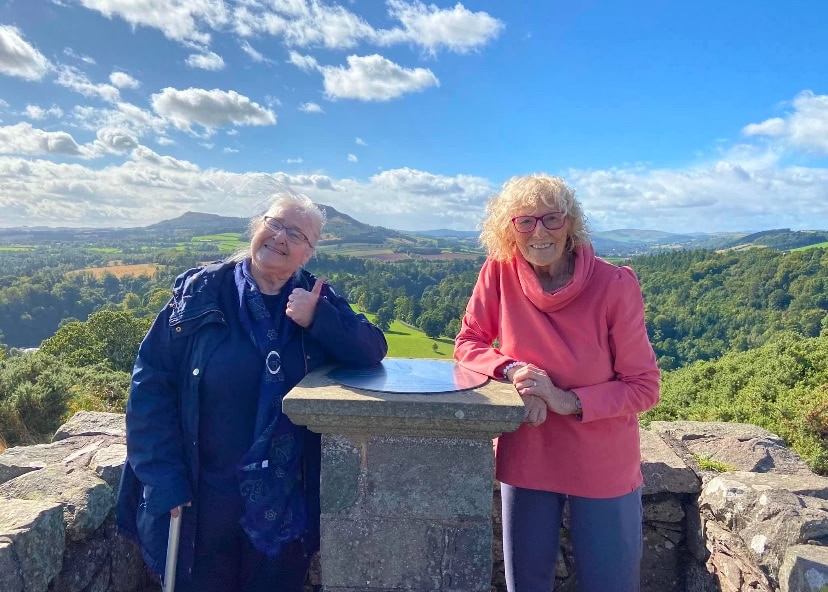
These foundations are among befriending’s greatest strengths. They enable a trusting relationship to develop with care, consistency and purpose. That relationship can become a bridge: from a conversation to friendship, from friendship to confidence, and from confidence to wider community participation. Befriending does not simply increase contact. It creates the conditions for meaningful connection, and connection can create more connection.
Rural communities: connection across distance
Recently we examined community befriending initiatives in three rural areas of Scotland. Rural Scotland has a higher proportion of older residents than Scotland as a whole, and many communities face a combination of population ageing, limited transport, reduced access to local services and long distances to specialist support. For an older person living alone, poor transport links or declining mobility can sharply restrict opportunities to participate. Physical distance can become social distance.
Yet rural communities also show what becomes possible when meaningful relationships are intentionally supported. Kincardine and Deeside Befriending works across Aberdeenshire, from the mountains to the sea. BHA BeFriend serves small, dispersed hamlets, villages and towns in Berwickshire. Caraidean Uibhist connects people across five islands in the Outer Hebrides. Their settings differ, but each understands that befriending can help people remain active, independent and valued within their communities.
The impact is visible in different ways. In Kincardine and Deeside, service users reported improvements in mood, self-esteem and social contact, while volunteers described benefits to their own lives and connection to community. BHA BeFriend found that introductions made through befriending could lead to independent friendships, greater confidence and participation in local events. In Uist, people reported improvements in social life, mobility and mental health; some returned to hobbies and interests, and some became volunteers themselves. People were remembered and no longer forgotten in their remoteness.
Connection, inequality and prevention
Befriending also helps us understand the wider context of social connection. Loneliness is not experienced equally, and people do not have equal opportunities to connect. Health, disability, income, housing, transport and access to green space all matter. Life transitions such as retirement, bereavement, changing health, mobility challenges or caring responsibilities can alter routines and relationships. These pressures can overlap, making connection harder to sustain for some people than for others.
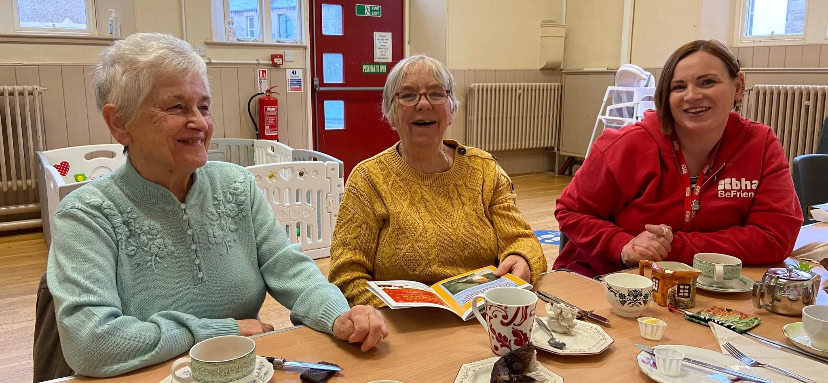
That is why I see befriending not as an optional extra, but as a preventative, community-based response to inequality and disconnection. It starts with people. It recognises individual interests, aspirations and strengths. It also understands that quality connection matters more than quantity of contacts.
The benefit is not one-way. We know that befriending volunteers can gain stronger ties to place and community too. A well-supported match values what both people bring: time, experience, interests, curiosity and care. This reciprocity is important. It moves us away from seeing people only as recipients of support and towards recognising everyone as someone who can contribute, participate and belong.
This Befriending Week, I want to thank the volunteers, coordinators, befriending organisations and funders that make these relationships possible. Their work enriches lives and strengthens communities. It reminds us that people of every age need purpose, participation and belonging and that everyone should have the opportunity to feel valued and valuable.
Befriending is more than company. It is a practical expression of compassion, inclusion and hope, and a powerful way to build fairer, healthier and more connected communities.
Befriending Networks welcomes befriending organisations of all sizes and in any location to join us as a member.
Images courtesy of BHA BeFriend
Befriending Week is the national campaign celebrating and raising awareness of befriending and the positive impact it has on individuals and communities.
Find out more at befriending.co.uk/bw
Befriending Networks is a small charity but our impact is big: our network reaches 22,000 volunteers and their matches across the UK every year. Donate today to support our work.